




















Our Teaching Methodologies
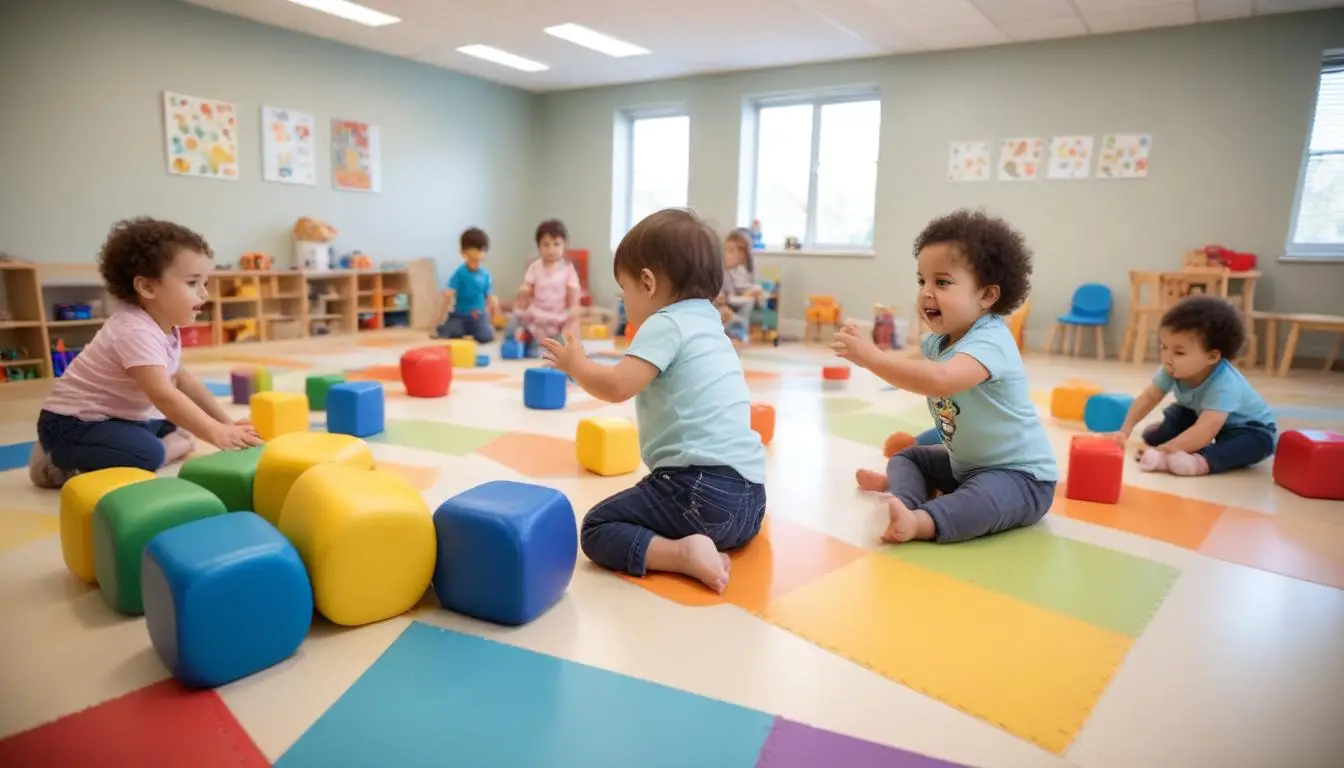
Play Way Method
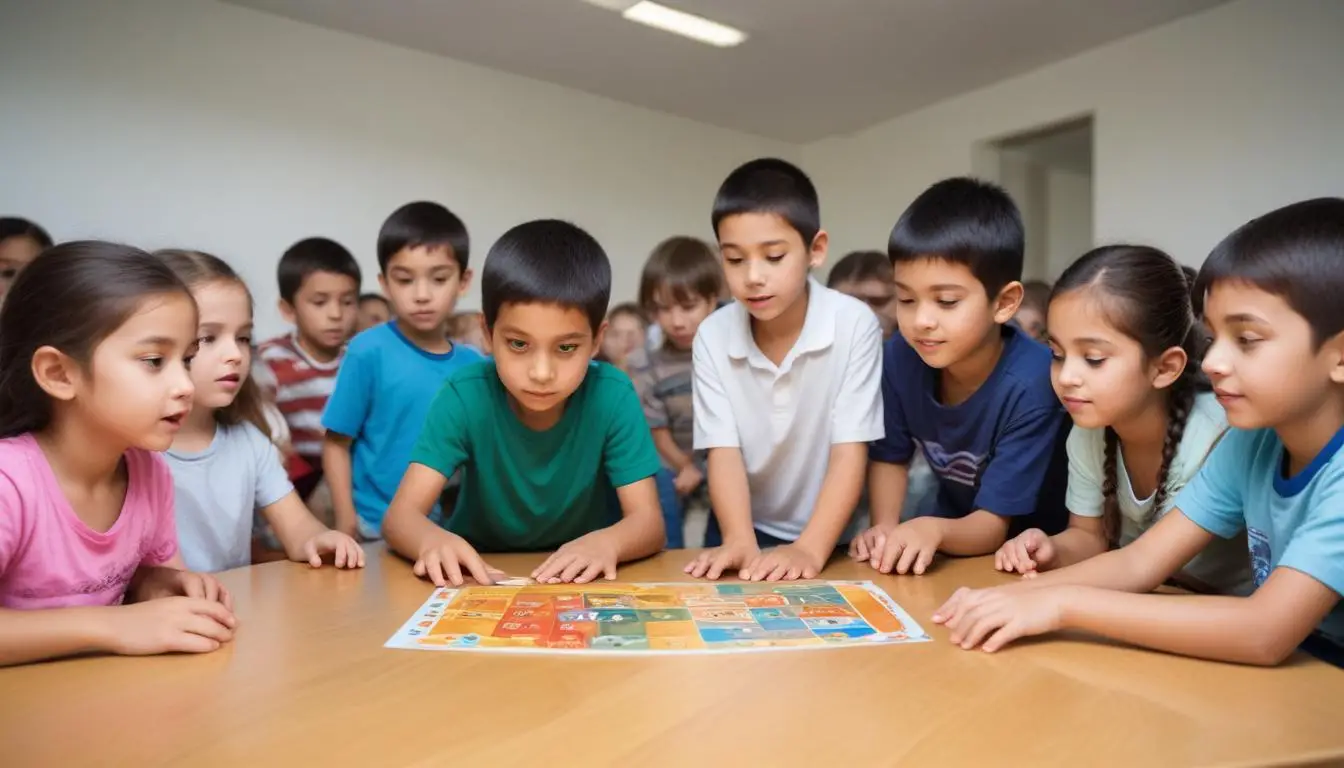
Learning through fun, interactive activities like games, music, and role-play fosters creativity and curiosity. This method enhances social skills, problem-solving, and cognitive development while making education enjoyable, engaging, and stress-free for young learners.
Montessori Approach
Encouraging independence, self-discipline, and hands-on learning through structured activities and child-centered environments. This approach nurtures problem-solving, decision-making, and fine motor skills while fostering a love for exploration, responsibility, and lifelong learning.
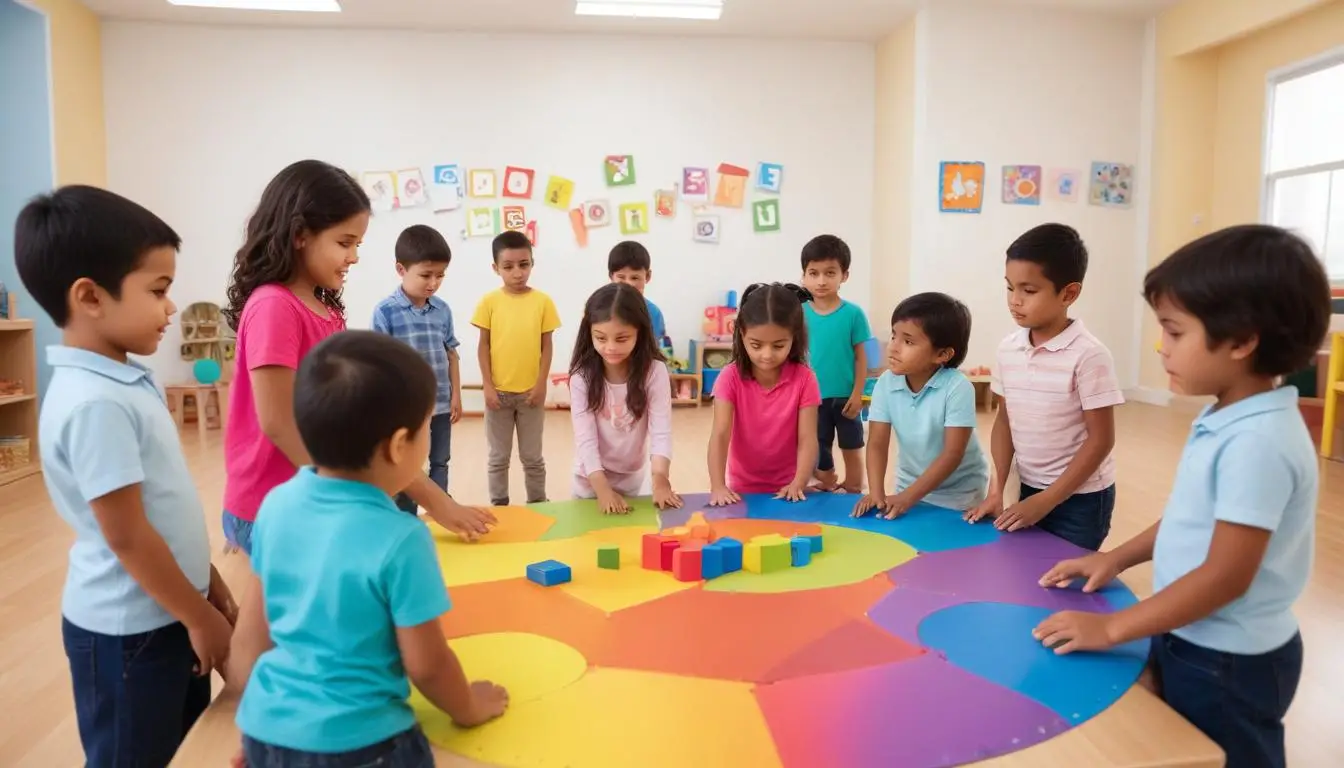
Activity-Based Learning
Engaging children in hands-on experiences to reinforce concepts through practical application. This method enhances retention, critical thinking, and creativity by involving students in interactive tasks, group projects, and experiments that encourage independent discovery and problem-solving.
Phonics & Literacy
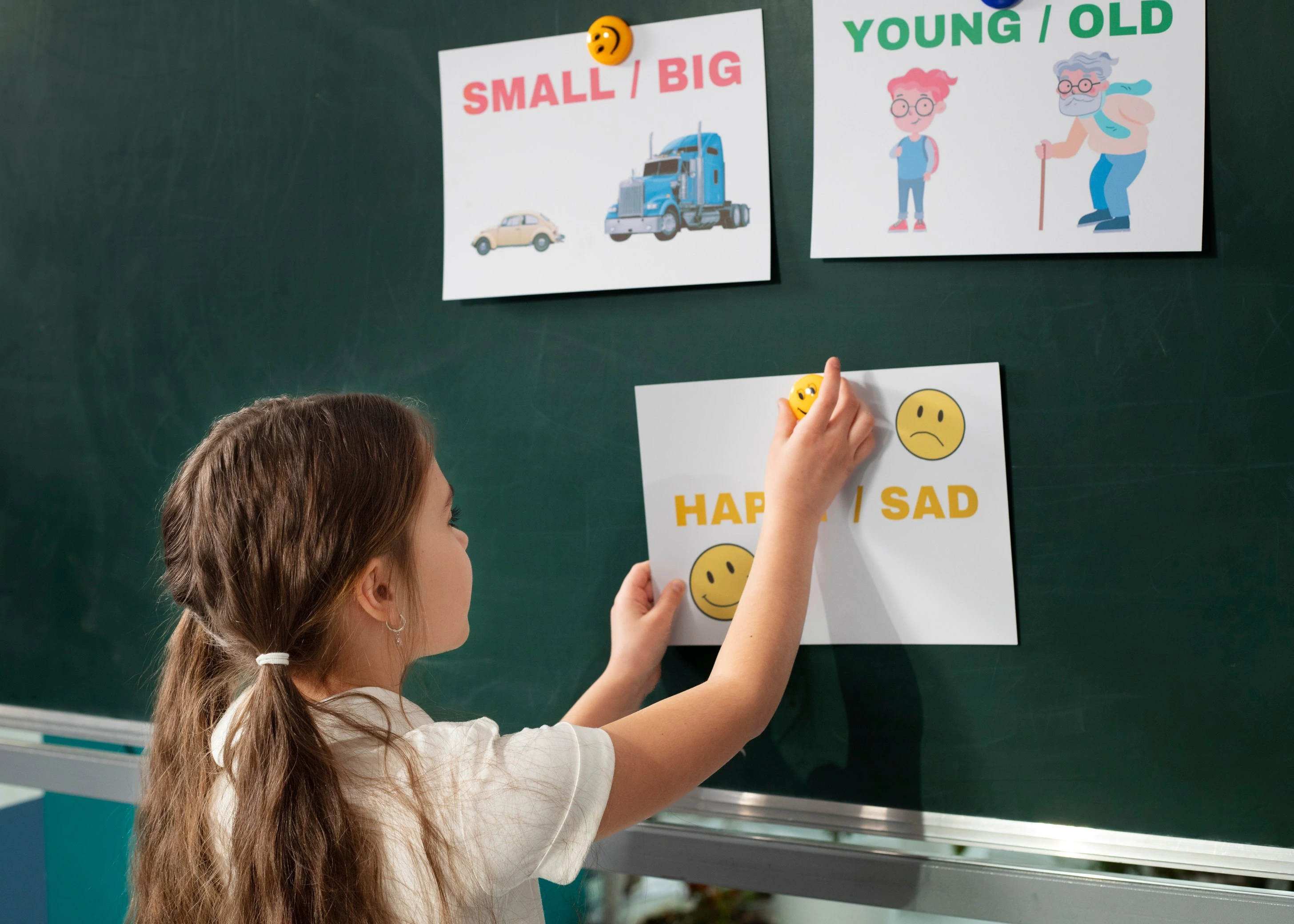
Strengthening language skills through phonetic awareness, letter recognition, and early reading strategies. This method builds a strong foundation for pronunciation, vocabulary, and comprehension, fostering confident speakers and readers with a love for storytelling and communication.
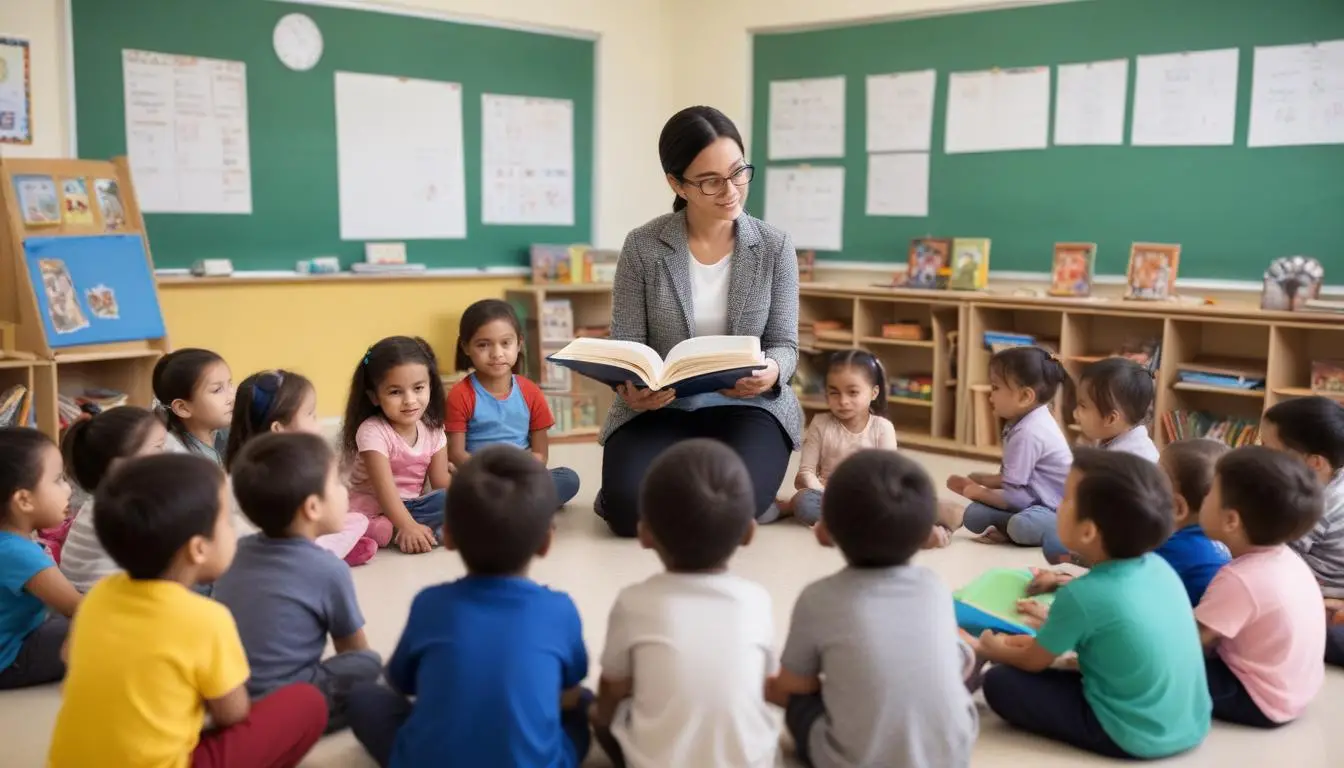
Storytelling
Bringing lessons to life through imaginative tales that enhance listening, comprehension, and creativity. Stories instill moral values, improve vocabulary, and encourage self-expression while capturing children's interest and making learning more engaging and memorable.
Dramatization
Using role-play, enactments, and pretend play to enhance communication, confidence, and emotional expression. This method fosters creativity, teamwork, and storytelling skills, allowing children to explore different perspectives while making learning dynamic and immersive.
Project-Based Learning
Encouraging critical thinking and collaboration through real-world projects and research-based tasks. Children explore topics deeply, apply knowledge practically, and develop problem-solving skills, fostering independence, curiosity, and a deeper understanding of concepts.
Theme-Based Learning
Integrating subjects around a central theme for a holistic learning experience. This method connects concepts across disciplines, making education meaningful, engaging, and relatable while enhancing understanding through stories, activities, and real-life applications.
Sensory-Based Learning
Engaging multiple senses like sight, touch, sound, and movement to reinforce learning experiences. This approach enhances cognitive development, retention, and motor skills by allowing children to explore, experiment, and understand concepts through hands-on activities.
STEAM for Young Learners
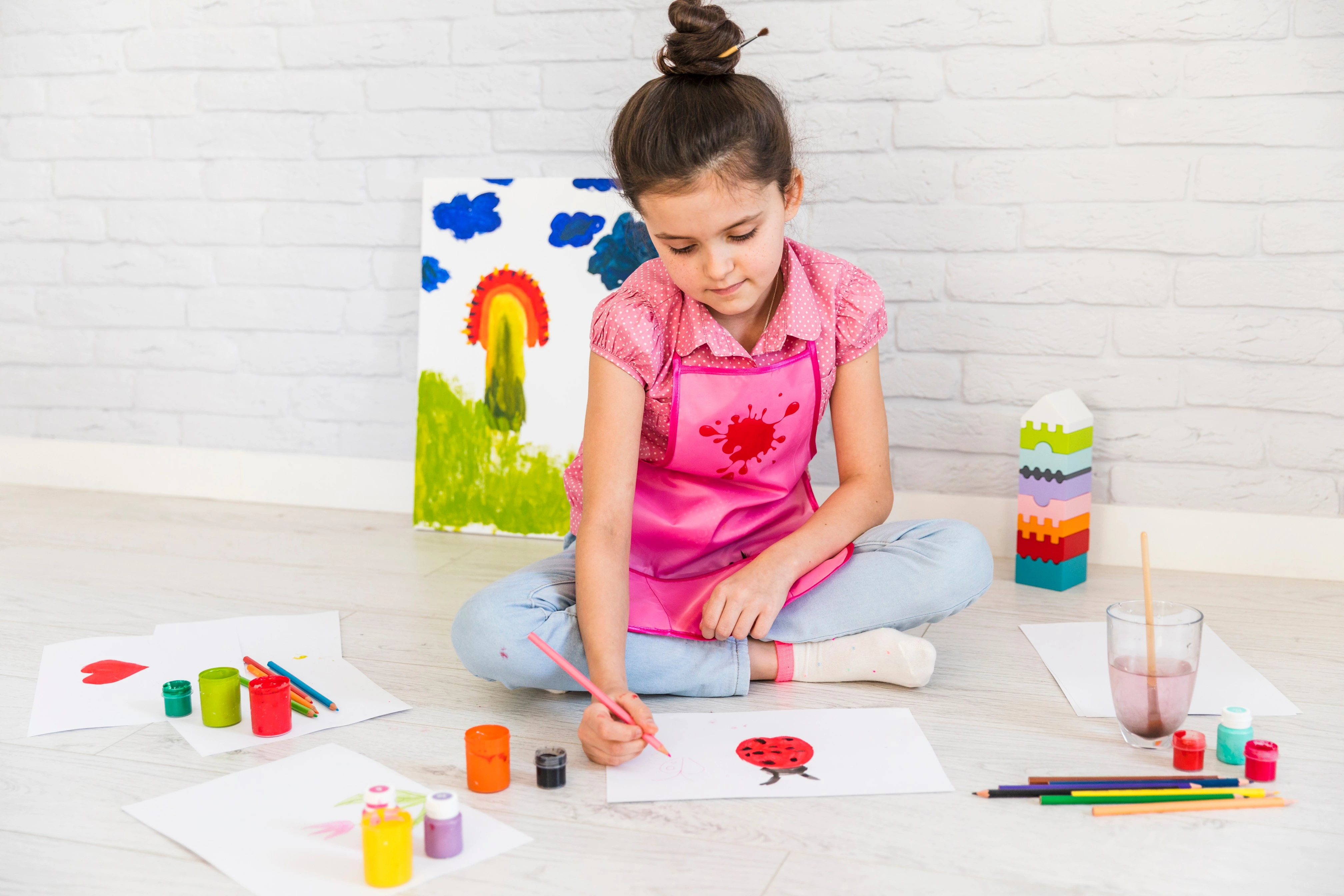
Introducing Science, Technology, Engineering, Arts, and Mathematics through interactive experiments and creative exploration. This method nurtures innovation, problem-solving, and analytical skills, preparing children for future challenges while making learning exciting and meaningful.


